

Soil Health in a Hyper-Arid Climate: A Practical Guide for UAE Gardens

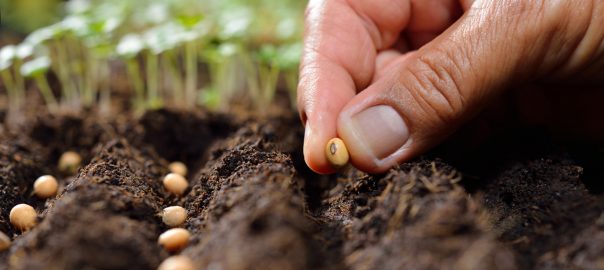
Healthy soil is the foundation of every thriving garden, but building it in the UAE means working against some of the toughest conditions on the planet. Intense heat, minimal rainfall, high evaporation rates, and naturally sandy, calcareous soils all conspire to strip away organic matter and leave plants struggling to access water and nutrients. The good news is that with the right approach, even hyper-arid soil can be transformed into a living, productive growing medium.
Why Desert Soil Behaves Differently
Most native soils across the UAE are sandy or calcareous, meaning they drain quickly, hold very little organic matter, and often contain high levels of calcium carbonate. This combination makes it difficult for soil to retain moisture or nutrients long enough for roots to use them. Without intervention, water and fertilizer simply pass through the profile, wasting resources and leaving plants under stress.
Tackling Low Organic Matter
Organic matter acts like a sponge, holding water and nutrients while feeding the microorganisms that keep soil alive. Compost, well-rotted manure, and leaf mold are the fastest ways to build it up. Working a generous layer of compost into the top 20-30 centimeters of soil before planting, and topping up beds every season, gradually shifts sandy soil toward something closer to loam.
Managing Salinity
Salt buildup is one of the most common problems in UAE gardens, especially where groundwater or desalinated irrigation water is used repeatedly. High salinity damages root cells and blocks water uptake even when the soil looks moist. Deep, occasional leaching irrigation, watering heavily enough to push salts below the root zone, combined with good drainage helps keep salt concentrations in check. Adding gypsum can also help displace sodium in soils where compaction and poor structure are an issue.
Making Every Drop of Water Count
With evaporation rates far outpacing rainfall, conserving soil moisture is essential. A 5-7 centimeter layer of organic mulch, such as straw or wood chips, dramatically reduces surface evaporation and keeps soil temperatures more stable for root growth. Drip irrigation, timed for early morning or evening, delivers water directly to the root zone with far less loss than overhead watering.
Feeding Soil Biology
Beneficial microbes and fungi, including mycorrhizal associations, help plants access water and nutrients that would otherwise be out of reach in poor desert soil. Compost teas, avoiding excessive chemical fertilizer use, and minimizing tillage all support a healthier soil microbiome over time. A biologically active soil is far more resilient to heat and salinity stress than one that is biologically empty.
Quick Wins for UAE Gardeners
- Test your soil’s salinity and pH before planting a new bed
- Add compost or well-rotted manure at the start of every growing season
- Mulch heavily to lock in moisture and moderate soil temperature
- Switch to drip irrigation and water during cooler parts of the day
- Rotate crops and avoid over-tilling to protect soil structure
- Choose salt-tolerant and heat-adapted plant varieties where possible
Building Soil Health Is a Long Game
Improving hyper-arid soil does not happen in a single season, but every addition of organic matter, every mulch layer, and every leaching irrigation moves the soil in the right direction. Over a few years of consistent care, even the sandiest UAE garden bed can develop the structure, water-holding capacity, and biological activity needed to support a thriving, productive garden.