

Your Garden Is Alive: Why Biodiversity Is the Secret Ingredient Every Gardener Needs

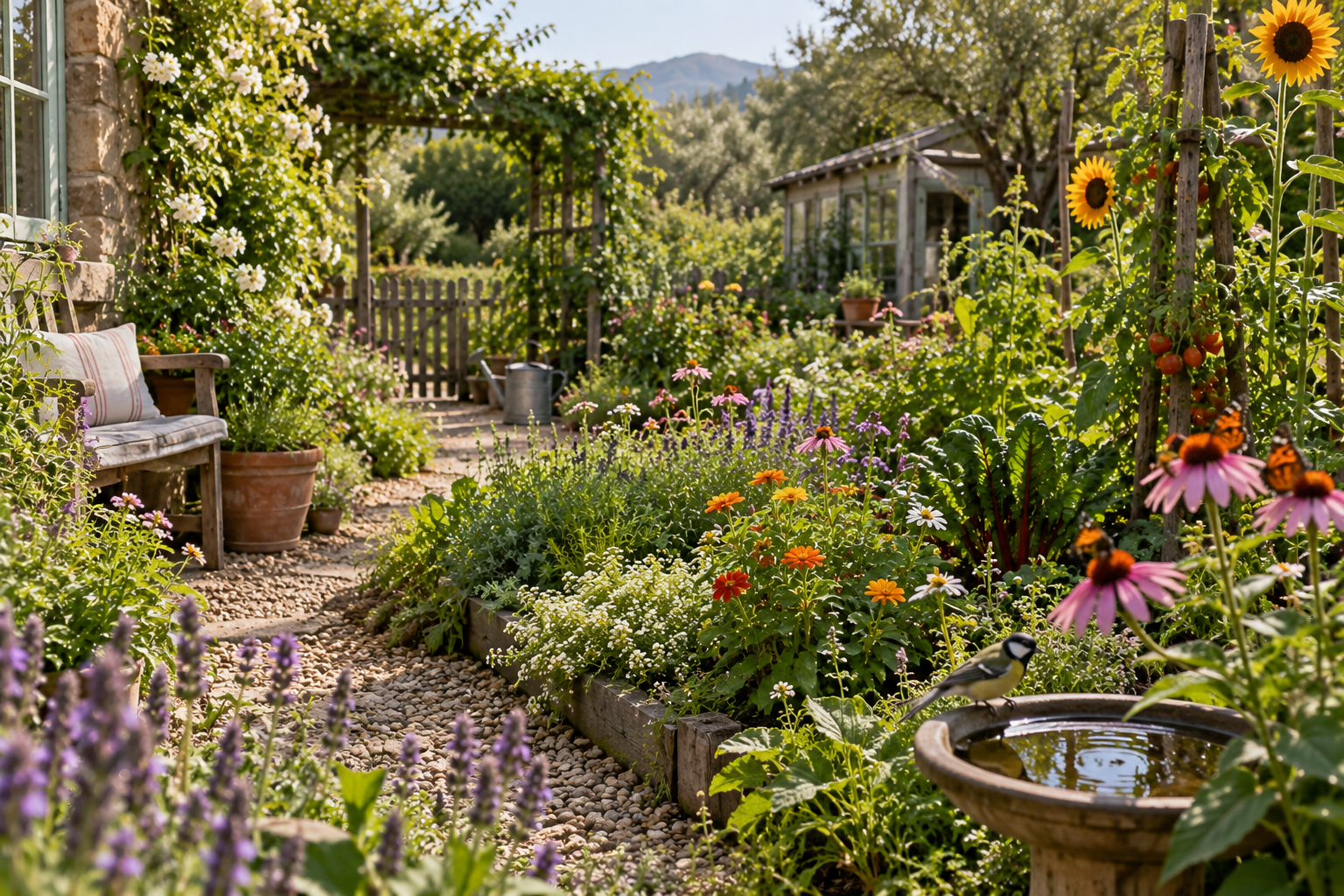
Picture your garden at dawn. A bee tumbles drunkenly out of a hibiscus flower, dusted gold with pollen. A gecko freezes mid-stride on a warm stone. Somewhere under the soil, an earthworm is quietly turning yesterday’s compost into tomorrow’s harvest. None of this is decoration – it’s infrastructure. It’s your garden’s life-support system, and it has a name: biodiversity.
If you’ve ever wondered why one gardener’s tomatoes shrug off pests while another’s are stripped to the stem, or why some gardens seem to thrive on neglect while others need constant rescuing, the answer is almost never luck. It’s diversity – of plants, insects, soil life, and everything in between. Here’s why it matters, and why it might just be the most interesting thing happening in your backyard.
The Buzz You Can’t Afford to Lose
Roughly one in three bites of food we eat exists because a pollinator – a bee, a butterfly, even a beetle – visited a flower first. In a garden, that translates directly into yield: more visits mean more tomatoes, more squash, more mangoes, more of everything that flowers before it fruits. A garden planted with only one or two species is a one-note song; pollinators pass it by. A garden layered with different flower shapes, colors, and bloom times becomes an all-season buffet – and the pollinators reward you for it, harvest after harvest.
Pest Control You Never Have to Buy
Here’s the part that surprises most new gardeners: the ladybird beetle devouring your aphids, the lacewing patrolling your leaves at night, the spider spinning a web between your basil stems – these are not pests. They’re your unpaid security team. A biodiverse garden builds its own checks and balances, where predator insects keep plant-eating ones in balance before they ever become an infestation. Spray broad pesticides and you don’t just kill the problem – you kill the solution too, and the next outbreak comes back harder because nothing is left to stop it.
The Underground City Beneath Your Feet
A single teaspoon of healthy garden soil can hold more living organisms than there are people on Earth – bacteria, fungi, mites, and worms, all working in a hidden economy that breaks down organic matter into the nutrients your plants actually absorb. Fungal networks link plant roots together like an underground internet, trading sugars for minerals, warning neighboring plants of stress or disease. Monoculture soil, planted with the same crop season after season, slowly starves this city. Diverse planting – rotating crops, mixing root depths, feeding the soil with compost – keeps it fed, active, and fertile without a bag of synthetic fertilizer in sight.
Resilience: Your Garden’s Insurance Policy
Our climate here in the UAE doesn’t do gentle. Heat spikes, dust, irregular rain, saline water – a garden built on a single crop or variety is one bad week away from collapse. A biodiverse garden is not: if one plant struggles, its neighbors – chosen for different root depths, different tolerances, different needs – carry the season. Diversity is quite literally your garden’s insurance policy, written in leaves and roots instead of paper.
Bringing Biodiversity Home
The good news is that you don’t need acres of land to make a difference. Every garden, even a single balcony of pots, can become a small refuge for life:
Plant in layers and mix it up – herbs, flowers, vegetables, and native or regionally adapted species together, not in single-crop blocks. Let a few things flower and go to seed instead of cutting everything back. Leave a shallow dish of water out for visiting insects and birds. Compost instead of discarding, and let that compost feed the soil life doing the real work. Choose organic methods over broad-spectrum sprays, and give predator insects a reason to stay.
At Local Roots UAE, this is the whole philosophy in a sentence: a garden that works with nature outperforms a garden that fights it. Biodiversity isn’t a bonus feature – it’s the engine. Once you start gardening for it, you stop just growing plants and start growing an ecosystem, one that feeds itself, defends itself, and rewards you with every visit.
So next time you’re out watering at dawn and a bee stumbles past you, dusted in gold – say thank you. It’s doing more for your harvest than you know.