

Red Russian Kale – MIg
AED 25.00
| Weight | 0.03 kg |
|---|
8 in stock
Product Summary
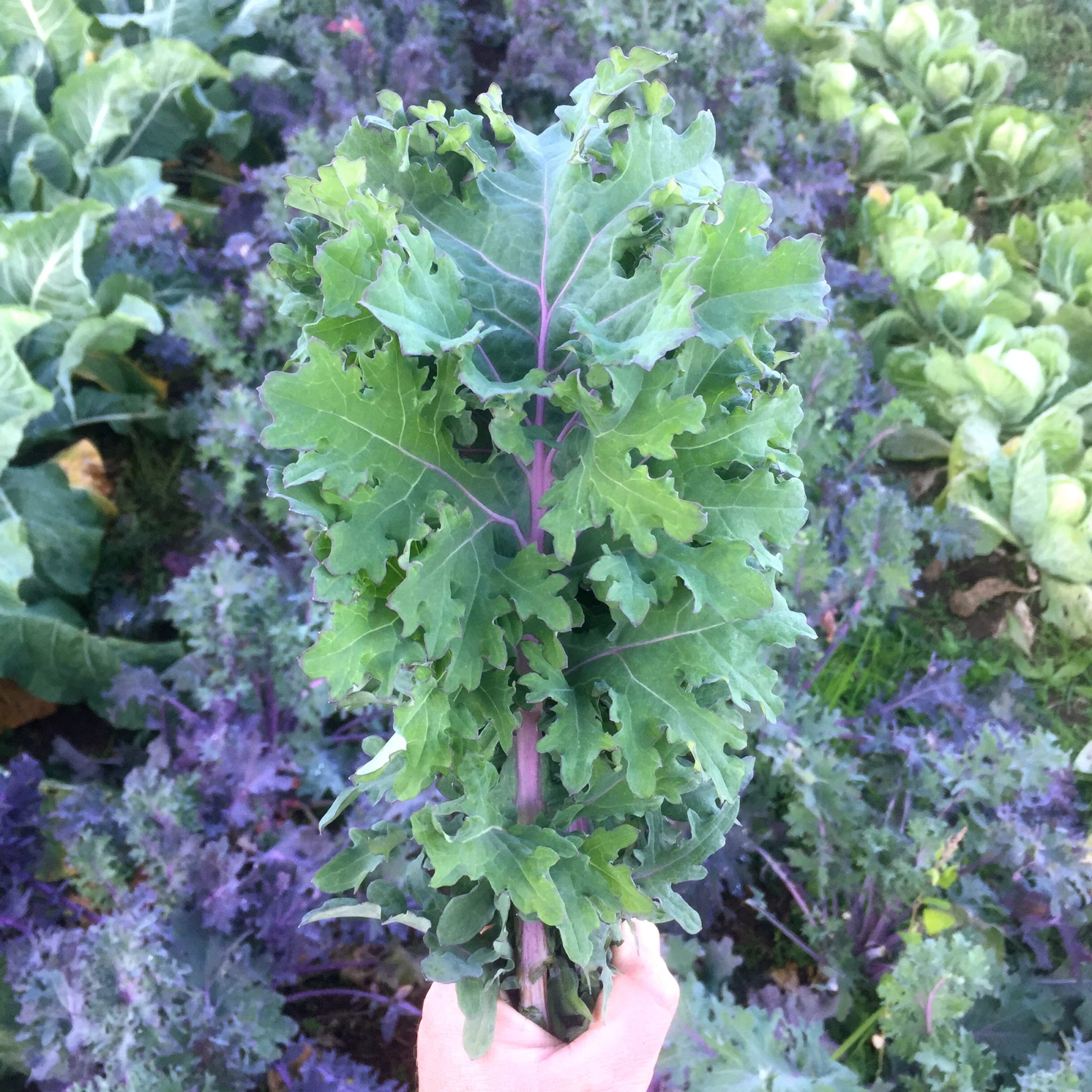
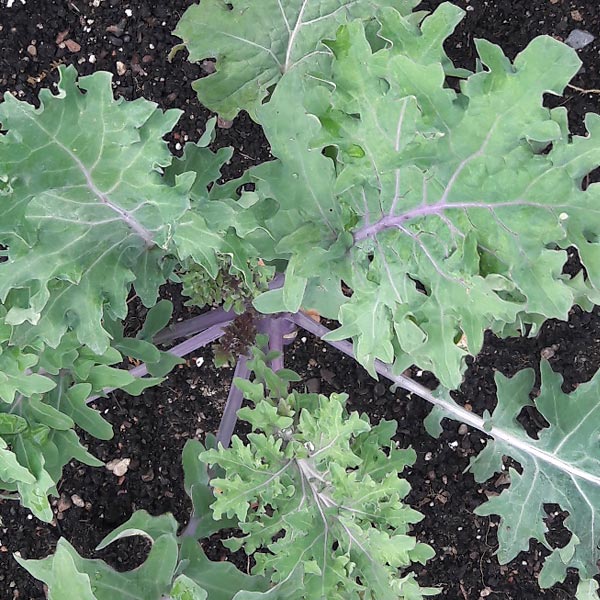
Red Russian Kale (Brassica napus var. pabularia) is a classic heirloom kale valued for its tender, frilly green leaves, contrasting purple-red stems and excellent flavor. It is a productive cool-season leafy green that can be harvested young for salads or allowed to mature for cooking. The leaves are especially tender compared with many other kale varieties.
Description
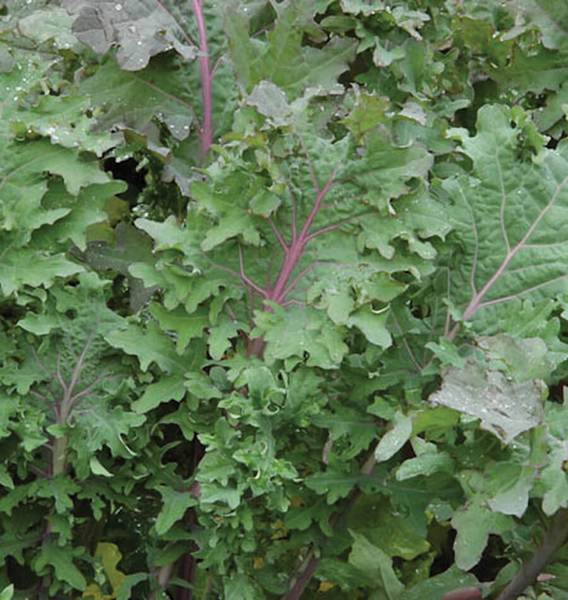
Red Russian Kale is one of the most popular heritage kales for home gardens. It produces attractive, flat, deeply lobed leaves in shades of green, with purple-red stems and veins that become more pronounced as the plants mature.
The leaves have a mild, slightly sweet flavor and tender texture, particularly when harvested young. Mature leaves are excellent steamed, sautéed, stir-fried or added to soups and stews.
One of the great advantages of Red Russian Kale is its cut-and-come-again harvesting habit. Instead of harvesting the entire plant, pick the outer leaves regularly while allowing the central growing point to continue producing new foliage.
It performs best in cool weather and can tolerate light frost. Regular harvesting encourages fresh, productive growth throughout the season.
When to Plant in the UAE
Start indoors: August–September
Transplant outdoors: October
Starting seeds indoors during the hotter part of the year allows the seedlings to establish before moving them outdoors when temperatures become cooler.
Planting & Care Tips
- Light: Full sun to partial shade.
- Soil: Fertile, rich in organic matter and well-draining.
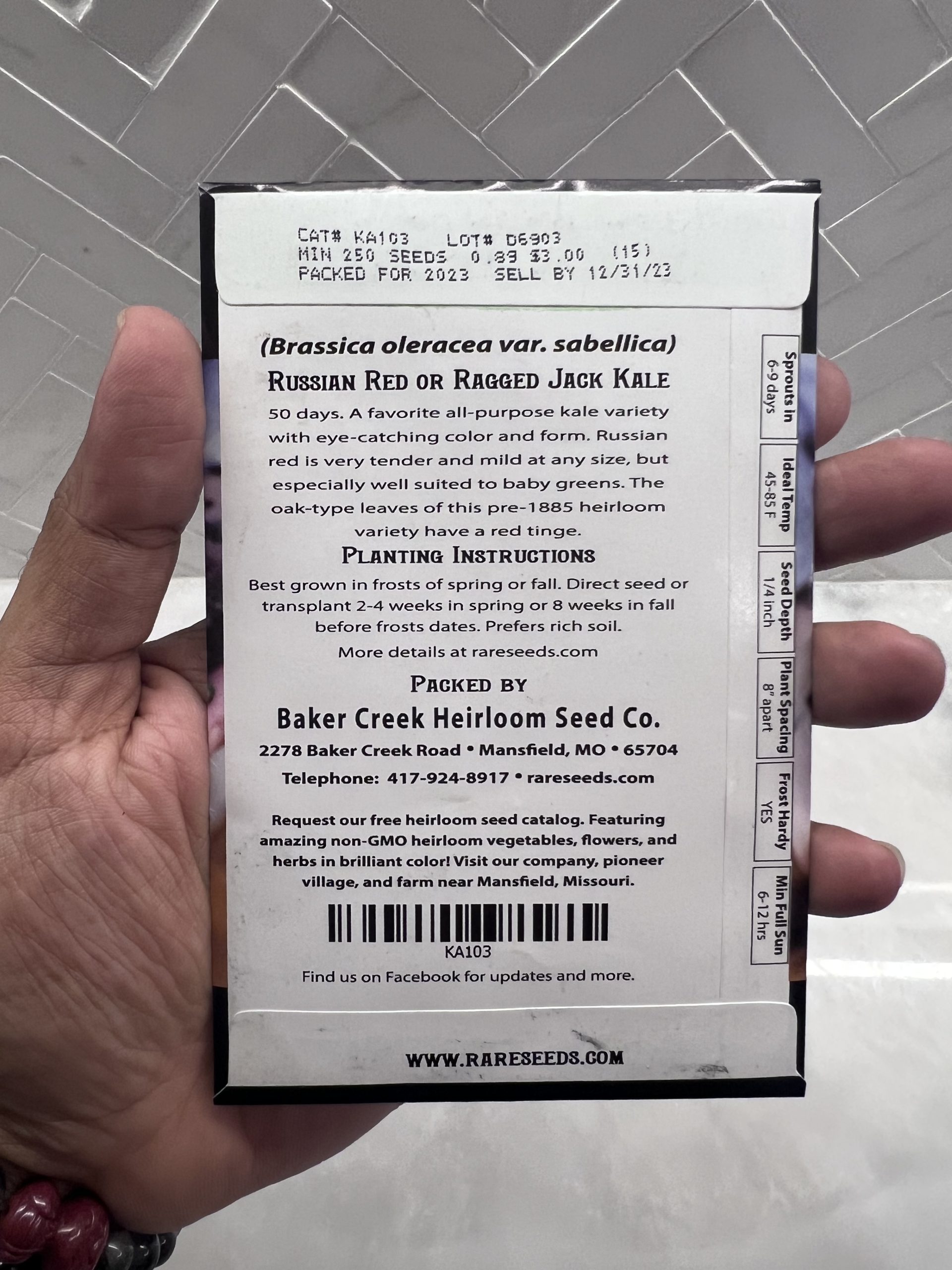
- Sowing depth: 0.5–1 cm.
- Germination: Approximately 5–10 days under suitable conditions.
- Spacing: 30–45 cm between plants.
- Row spacing: 45–60 cm.
- Watering: Keep soil consistently moist, particularly during warm weather.
- Feeding: Incorporate compost before planting and feed with a balanced vegetable fertilizer during active growth.
- Harvest: Young leaves can be harvested early for salads. For mature plants, harvest the outer leaves first and leave the central growing point intact.
- Harvest regularly: Frequent picking encourages continued production.
- Pests: Monitor for aphids, caterpillars and other common brassica pests.
- Temperature: Best quality and flavor develop in cool weather.
- Uses: Fresh salads, sautéing, steaming, stir-fries, soups, stews, smoothies and green juices.