

Kohlrabi Purple Vienna – MIg
AED 25.00
| Weight | 0.03 kg |
|---|
6 in stock
Description
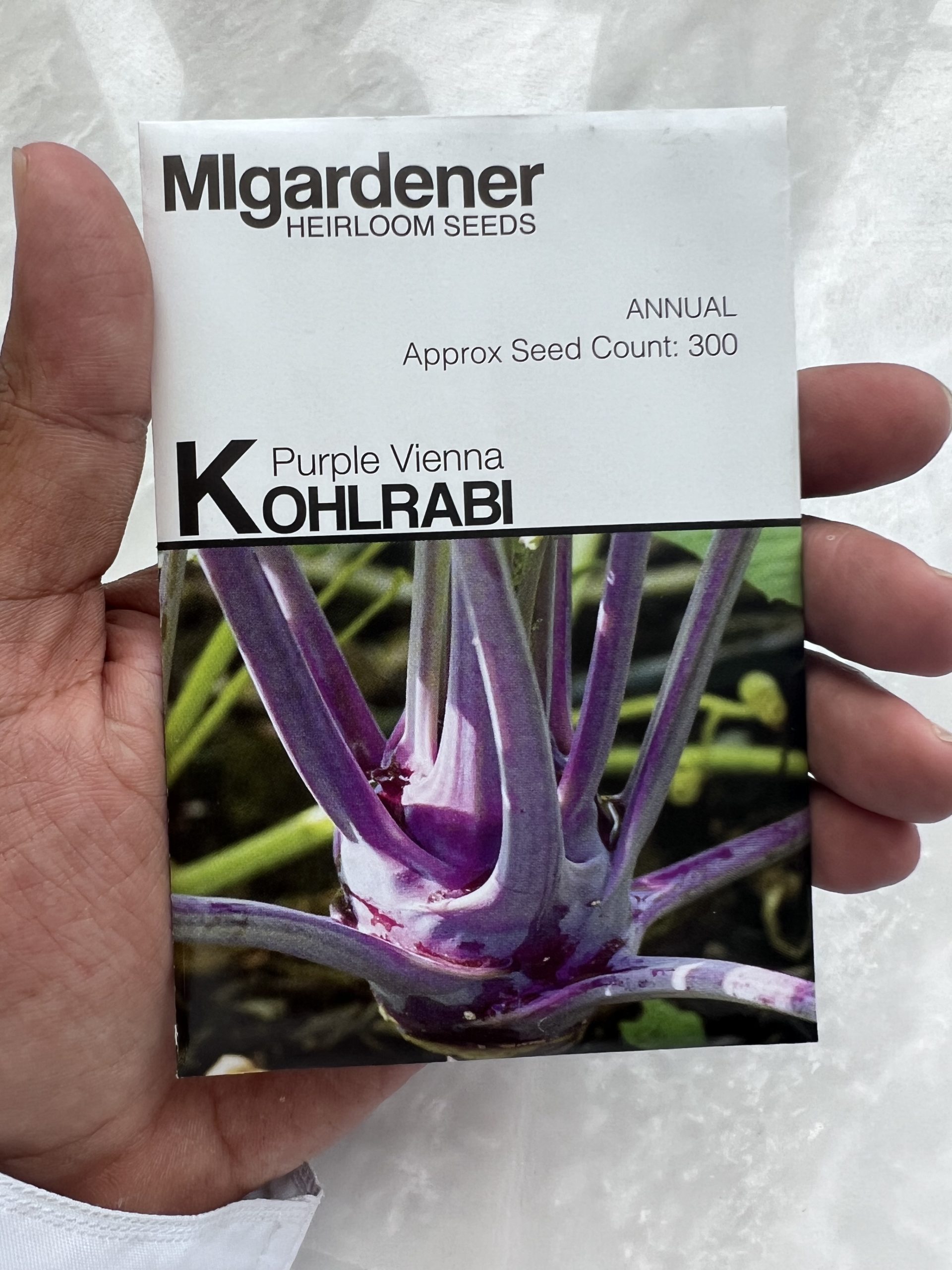
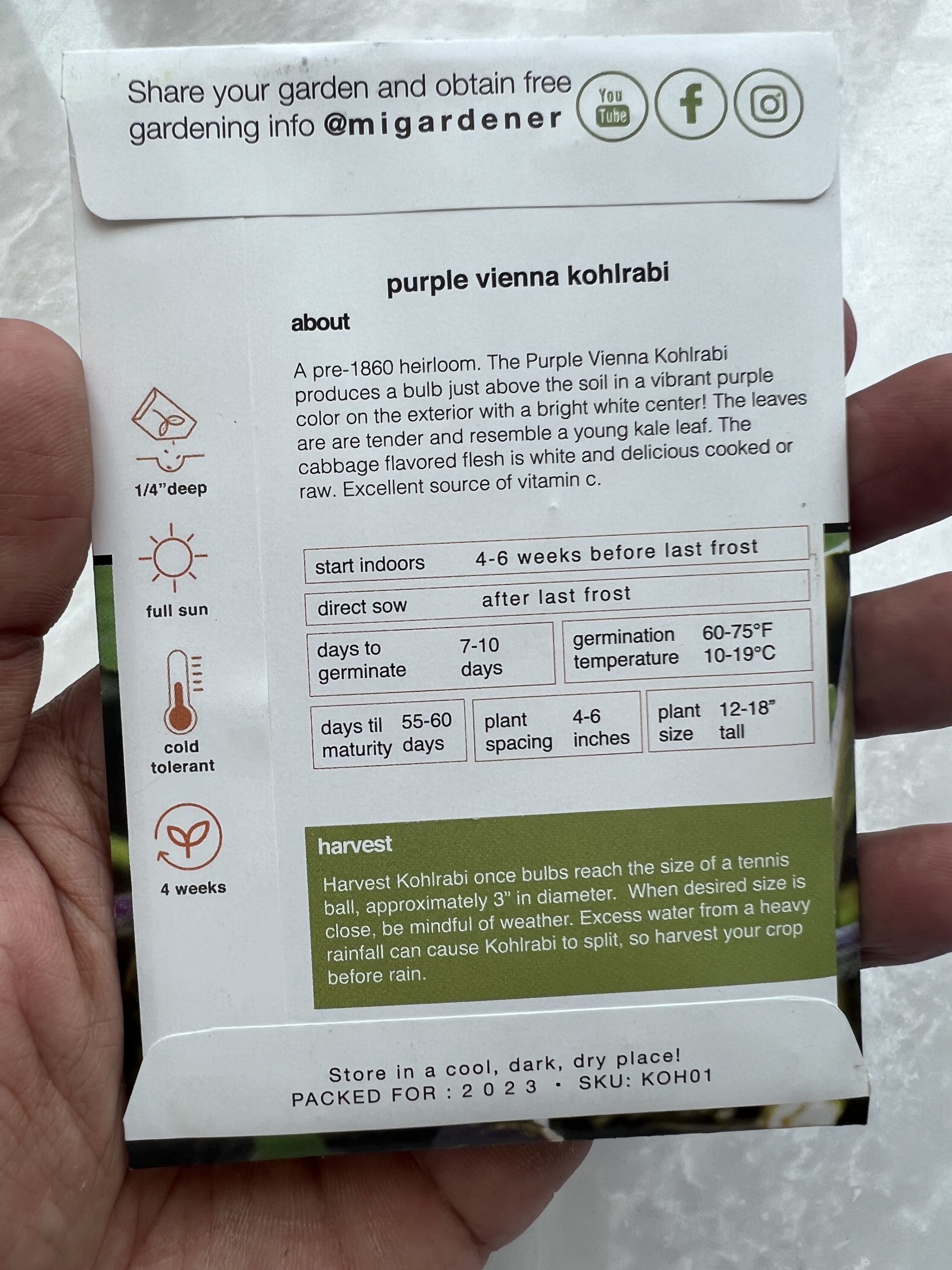
Purple Vienna Kohlrabi (Brassica oleracea var. gongylodes) is a beautiful heirloom kohlrabi variety prized for its attractive purple skin, tender white flesh and mild, slightly sweet flavor. The swollen stem forms a round, bulb-like vegetable above the soil, making it easy to harvest.
The crisp, juicy flesh has a delicate flavor that is excellent eaten fresh, sliced into salads, slaws or vegetable platters. It can also be roasted, steamed, sautéed or added to soups and stir-fries. The young leaves are edible as well and can be cooked like other leafy greens.
Purple Vienna is a cool-season crop that grows quickly and is best harvested while the swollen stems are still young and tender. Allowing them to become oversized can result in a tougher texture.
- Botanical Name: Brassica oleracea var. gongylodes
- Type: Heirloom kohlrabi
- Skin Color: Purple
- Flesh Color: White
- Flavor: Mild, crisp and slightly sweet
- Growth Habit: Cool-season vegetable
- Best Use: Fresh eating, salads, slaws, roasting, steaming and cooking
- Sunlight: Full sun to partial shade
When to Plant in the UAE
- Direct sow outdoors: October–December
Planting & Care Tips
- Sow seeds approximately 0.5–1 cm deep in fertile, well-drained soil.
- Keep the soil consistently moist during germination and early growth.
- Seeds generally germinate within approximately 5–10 days under suitable conditions.
- Thin seedlings to around 20–30 cm apart to allow the swollen stems to develop properly.
- Leave approximately 30–45 cm between rows.
- Grow in a location receiving around 6 hours or more of sunlight daily.
- Enrich the soil with mature compost before planting.
- Maintain consistent moisture to encourage fast, tender growth.
- Feed with a balanced vegetable fertilizer during active growth.
- Avoid excessive nitrogen, which can encourage leafy growth at the expense of good bulb development.
- Monitor plants for common brassica pests such as aphids and caterpillars.
- Harvest when the swollen stems reach a useful size but are still young and tender.
- The leaves can also be harvested and cooked while young.